Ingredients
What’s in Soda Slim? The Ingredients List With Every Amount
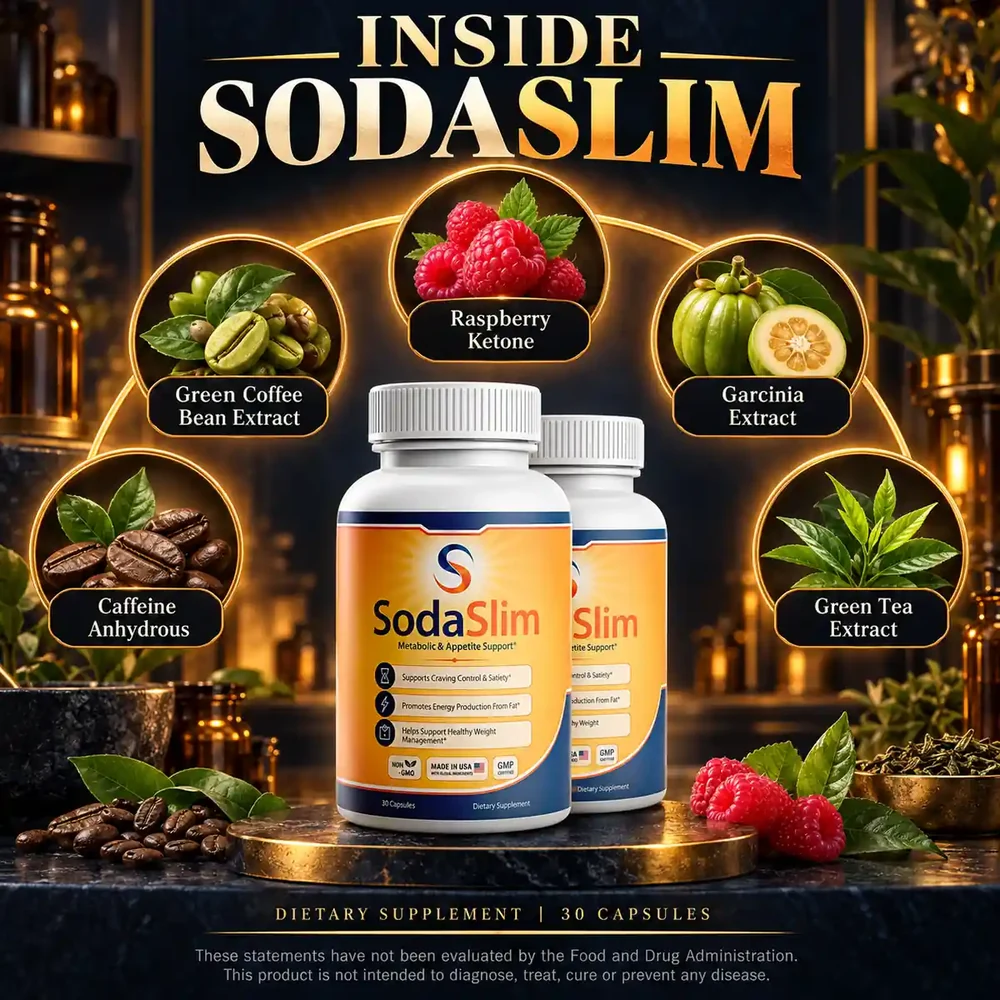
Soda Slim contains five ingredients per capsule: green coffee bean extract 130 mg, raspberry ketone 130 mg, garcinia extract 130 mg, caffeine anhydrous 138 mg and green tea extract 130 mg, in a hypromellose capsule. That is 658 mg in total, with no proprietary blend. Three rows print a standardisation, so you can work out about 65 mg of chlorogenic acids, 65 mg of HCA and 58.5 mg of EGCG yourself.
Quick answer
SodaSlim contains five ingredients per capsule: green coffee bean extract 130 mg, raspberry ketone 130 mg, garcinia extract 130 mg, caffeine anhydrous 138 mg and green tea extract 130 mg, in a hypromellose capsule. Total 658 mg. No proprietary blend. Three rows print a standardisation, so you can calculate the active fractions yourself.
On this page
- What does the SodaSlim Supplement Facts panel say?
- What does the green coffee bean extract row say?
- What does the raspberry ketone row say?
- What does the garcinia extract row say?
- What does the caffeine anhydrous row say?
- What does the green tea extract row say?
- Why are four rows exactly 130 mg?
- Key facts
- The SodaSlim panel, row by row
- Frequently asked questions
- Our view
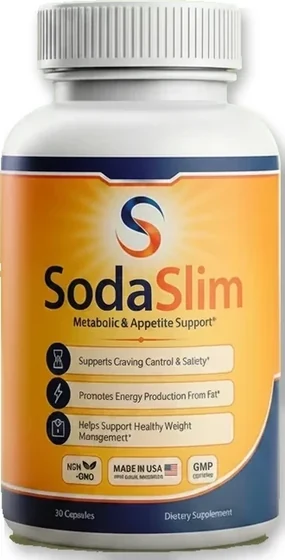
Want the label in front of you while you read?
The same five-row panel is printed on every bottle in the one, three and six-bottle packs. The sales page shows the price.
Price shown at checkout · 60-day window from the date of purchase · Sodaslimdaily earns a commission if you order through this site
The panel
What does the SodaSlim Supplement Facts panel say?
The panel is written for a serving of one capsule, with thirty servings per container. Five rows follow, each with an amount and a double asterisk in the daily value column. The footnote reads “** Daily Value (DV) not established.”
The other-ingredients line is one item: hypromellose, the vegetable capsule. Below it the label prints “Contains Caffeine” as its own statement. There is no allergen statement beyond that. The marketing pack ships gluten-free and dairy-free roundels the label itself does not support.
What makes this panel unusual is what it does not contain. There is no proprietary blend. Every amount is visible. In this category that is rare, and it is the main reason the posts on this site can do any arithmetic at all.
Row one
What does the green coffee bean extract row say?
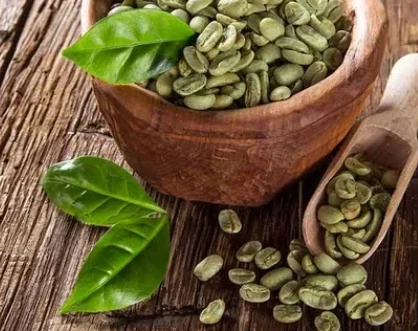
Green Coffee Bean Extract (Coffea robusta)(seed)(50% chlorogenic acids), 130 mg. The standardisation means about 65 mg of chlorogenic acids per capsule. Chlorogenic acids are the compounds green coffee is sold for; roasting destroys most of them, which is why the extract is made from the raw seed.
The NIH Office of Dietary Supplements says green coffee bean extract “might help you lose a small amount of weight”, and that it seems to be safe at up to 200 mg a day for 12 weeks. It may cause headache and urinary tract infections. At 130 mg this capsule sits inside that published amount.
Row two
What does the raspberry ketone row say?
Raspberry Ketone, 130 mg. No standardisation, because it is a single compound rather than an extract. It is the aroma compound of raspberries. At supplement prices it is made synthetically rather than pressed from fruit, which matters when you read the “100% natural” roundel in the pack.
ODS is blunt about this row. Its “effects on body weight are unknown”, and it “hasn’t been studied enough to tell if it’s safe”. There is no studied amount to compare 130 mg against. It is the weakest row on the panel by the federal reading.
Row three
What does the garcinia extract row say?
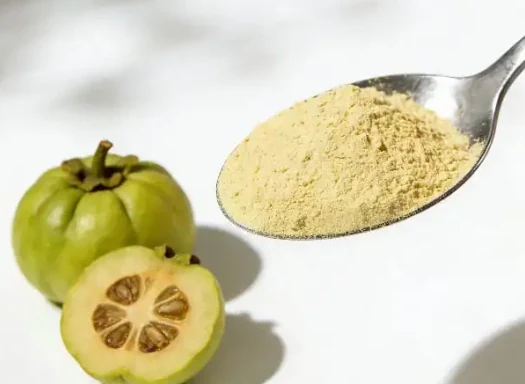
Garcinia Extract (Garcinia cambogia)(fruit)(50% HCA), 130 mg. HCA is hydroxycitric acid, the compound garcinia is sold for. At 50% that is about 65 mg of HCA per capsule. Trials of garcinia generally used a gram or more a day, so this is a fraction of the studied amount.
ODS says garcinia cambogia “has little to no effect on weight loss”. NCCIH adds the safety line: “Numerous reports of liver toxicity have been reported in people who were taking garcinia cambogia products.” It also records interactions with some drugs affecting the liver and some affecting serotonin.
Row four
What does the caffeine anhydrous row say?
Caffeine Anhydrous, 138 mg. Anhydrous means dried to a powder in a factory. It is the largest row on the panel and the only one that is not 130 mg. MedlinePlus puts an 8-ounce cup of coffee at 95 to 200 mg, so one capsule is about a cup of coffee.
The green tea row adds a little more. Its standardisation prints “<3% caffeine” of 130 mg, which is up to about 3.9 mg. Call the capsule roughly 142 mg of caffeine in total. FDA cites 400 mg a day as an amount “not generally associated with negative effects” in healthy adults, while noting wide variation in sensitivity.
ODS says caffeine “might help you lose a little weight or gain less weight over time”, and that tolerance develops. It is the one row you will feel. Count it against your coffees, teas, colas and energy drinks before you add the capsule.
Row five
What does the green tea extract row say?
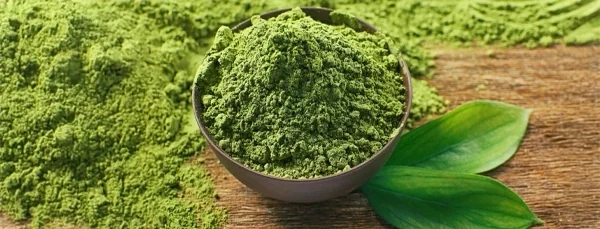
Green Tea Extract (Camellia sinensis)(leaf)(98% polyphenols, 75% catechins, 45% EGCG, <3% caffeine), 130 mg. This is the most fully described row on any label in this family. At 45% EGCG that is about 58.5 mg of EGCG per capsule.
ODS says green tea extract “might help you lose a small amount of weight”. NCCIH adds two things. First: “Although uncommon, liver injury has been reported in some people who used green tea products, primarily green tea extracts in tablet or capsule form.” Second: no safety concerns have been reported for green tea drunk as a beverage. The capsule and the cup are not the same risk.
An observation
Why are four rows exactly 130 mg?
Four of the five rows are 130 mg. Only the caffeine differs, at 138 mg. That is what an evenly divided pre-made blend looks like: a fixed total split equally, with one row adjusted. It is an observation about how the formula was probably assembled, not an allegation about quality.
It does tell you one thing. The amounts were not chosen to match the studied amounts for each ingredient, because those differ widely. Garcinia trials used a gram or more. Caffeine research uses 400 to 500 mg. A flat 130 mg across the board is a manufacturing choice, not a research one.
Credit where it is due
Even so, this is the best-documented panel in the SodaSlim family we have reviewed. Five amounts, three standardisations and a printed caffeine declaration. Our scorecard gives label transparency 9 out of 10.
In short
Key facts
- Five ingredients, five printed amounts, no proprietary blend. Total 658 mg per capsule.
- Green coffee bean extract 130 mg at 50% chlorogenic acids: about 65 mg.
- Raspberry ketone 130 mg: ODS says its effects on weight are unknown.
- Garcinia extract 130 mg at 50% HCA: about 65 mg, a fraction of studied amounts.
- Caffeine anhydrous 138 mg, plus up to about 3.9 mg from the green tea row.
- Green tea extract 130 mg at 45% EGCG: about 58.5 mg. Liver injury reported, uncommonly, from extracts.
- Capsule: hypromellose, so vegetarian. No allergen statement beyond “Contains Caffeine”.
- No certificate of analysis was supplied. Purity and potency are not independently verified here.
From the source
The SodaSlim panel, row by row
| Ingredient | Amount per capsule | Standardisation | Calculated active |
|---|---|---|---|
| Green coffee bean extract (seed) | 130 mg | 50% chlorogenic acids | about 65 mg |
| Raspberry ketone | 130 mg | none | — |
| Garcinia extract (fruit) | 130 mg | 50% HCA | about 65 mg |
| Caffeine anhydrous | 138 mg | none | 138 mg caffeine |
| Green tea extract (leaf) | 130 mg | 98% polyphenols, 75% catechins, 45% EGCG, <3% caffeine | about 58.5 mg EGCG; up to about 3.9 mg caffeine |
| Other ingredients | — | Hypromellose (vegetable capsule) | Contains Caffeine |
Figures come from the Supplement Facts panel and the seller’s supplied pack. Where the two disagree, the label wins. “Not published” means nobody supplied that figure to this desk.
Questions
Frequently asked questions
What are the SodaSlim ingredients?
Green coffee bean extract, raspberry ketone, garcinia extract, caffeine anhydrous and green tea extract, in a hypromellose capsule. Each row prints its amount per capsule.
How much caffeine is in SodaSlim?
138 mg of caffeine anhydrous per capsule, plus up to about 3.9 mg from the green tea extract. That is roughly one cup of coffee by MedlinePlus figures.
Is there a proprietary blend in SodaSlim?
No. Every one of the five amounts is printed on the panel. That is the label’s strongest feature.
Is SodaSlim vegetarian?
Yes. The capsule is hypromellose, a vegetable material, and nothing on the panel is animal-derived.
Is SodaSlim gluten free or dairy free?
The label makes no gluten or dairy claim and publishes no test. Those roundels come from the marketing pack, not the bottle. The only allergen line printed is “Contains Caffeine”.
Has the SodaSlim formula been tested?
No certificate of analysis was supplied, and no trial of the formula has been published. The amounts are the label’s word, and this site cannot verify them.
Closing
Our view
Our view is that this panel deserves the credit a transparent label earns. You can read every amount, calculate the active fractions, and count the caffeine. That is more than most fat-burners allow.
The amounts themselves are modest. Two rows earn the word small from the federal fact sheet, one earns little to no effect, and one earns unknown. The caffeine is the only row you will notice.
Two rows carry liver-injury reports, so anyone with a liver condition, or taking anything that affects the liver or serotonin, should ask a doctor before the first capsule. Read the safety post next.
Last updated October 15, 2026 · Written by SodaSlim Editorial Desk · Medically reviewed by Dr. Carrie Lam, MD, Physician
References
Which sources does this post use?
Every source below is a government or national-body page. None of them studied SodaSlim itself. No trial of this formula has been published.
- Office of Dietary Supplements, National Institutes of Health. Dietary Supplements for Weight Loss: Fact Sheet for Consumers. ods.od.nih.gov. Accessed October 15, 2026.
- National Center for Complementary and Integrative Health, NIH. Green Tea. www.nccih.nih.gov. Accessed October 15, 2026.
- National Center for Complementary and Integrative Health, NIH. Garcinia Cambogia. www.nccih.nih.gov. Accessed October 15, 2026.
- MedlinePlus, U.S. National Library of Medicine. Caffeine. medlineplus.gov. Accessed October 15, 2026.
- U.S. Food and Drug Administration. Spilling the Beans: How Much Caffeine is Too Much?. www.fda.gov. Accessed October 15, 2026.
- Office of Dietary Supplements, National Institutes of Health. Dietary Supplements: What You Need to Know. ods.od.nih.gov. Accessed October 15, 2026.
Happy with what is in it?
If the panel suits you, one bottle is the smallest test. The sales page prints the price and the guarantee; screenshot both before you pay.
Price shown at checkout · 60-day window from the date of purchase · Sodaslimdaily earns a commission if you order through this site